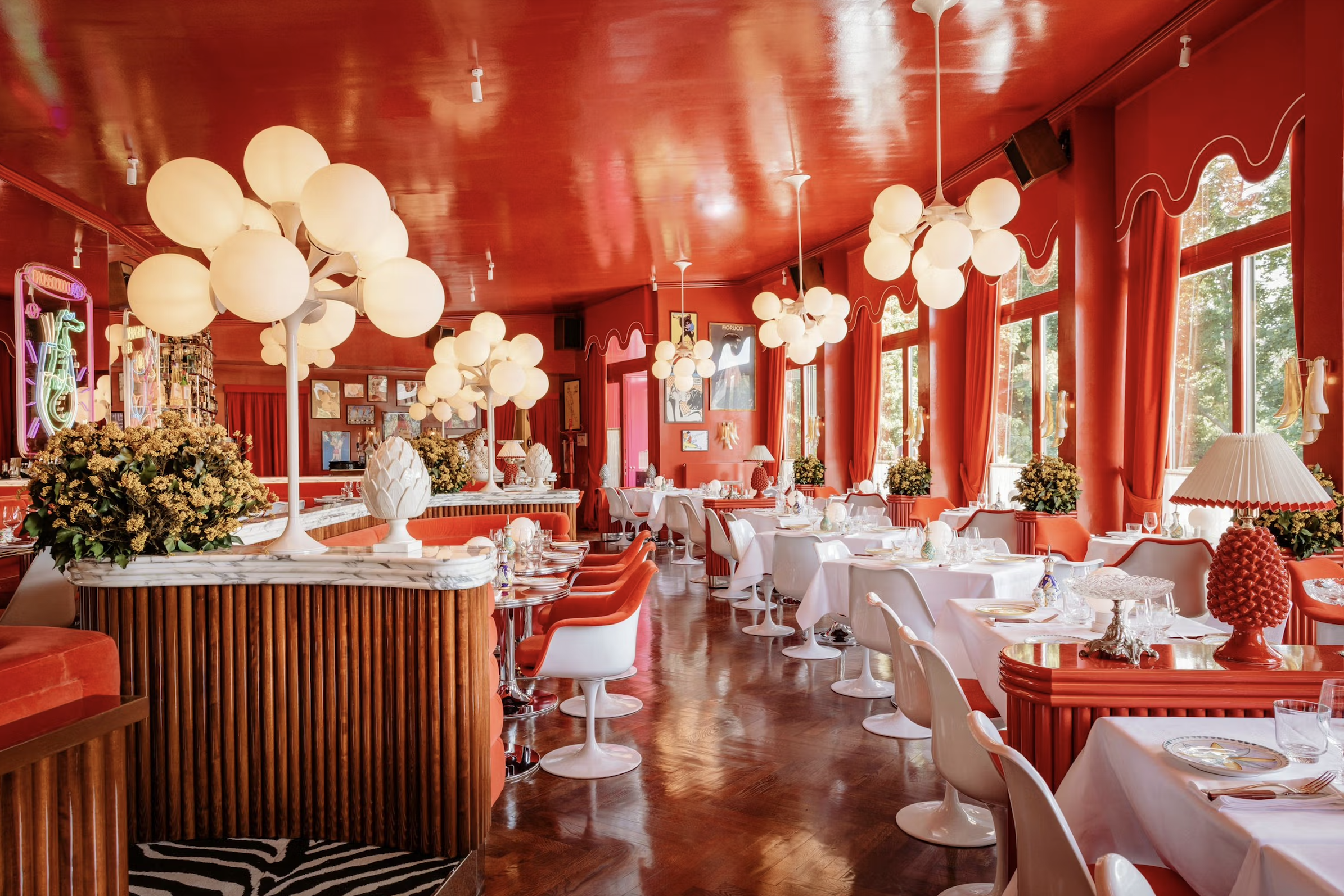
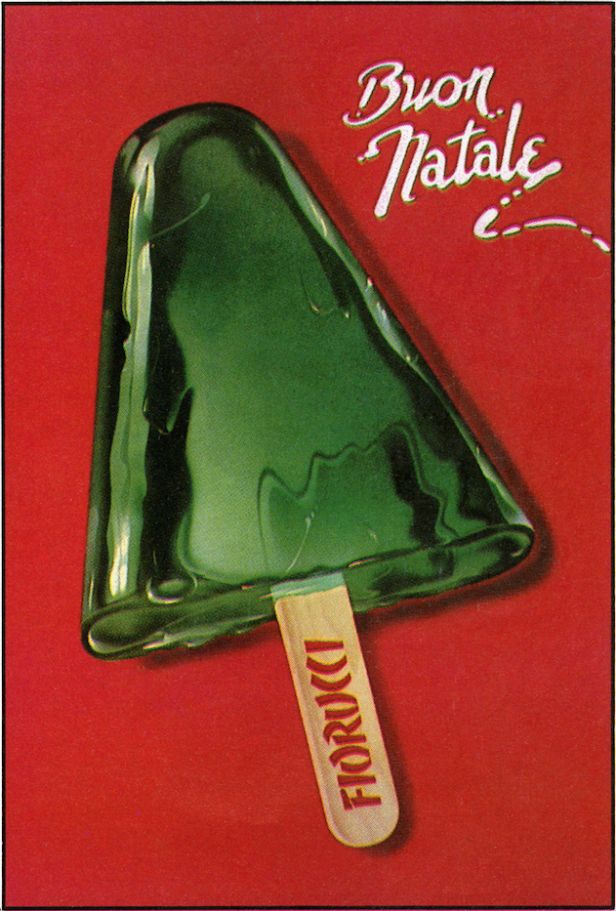
We were sitting at a dinner table in Berlin, but somehow we’d slipped sideways into the original disco Italiano of Fiorucci. The time travel wasn’t subtle, it was lacquered in heat and gloss. The German portal was in fact a trattoria, but not the cutesy checkered-tablecloth kind. It happened inside Cocodrillo, a hot, red-infused fever dream of a room where the walls pulse and the air feels fresh but also permanently after midnight. Archival Fiorucci poster-prints were what took us there, they flashed across the space like visual basslines. We’d adored them years earlier in our Fiorucci (coffee table) book in all their hedonistic glory but now they were back and set up in a space that enlarged them and brought them back to life.
You’ll see the art, ecstasy, high-gloss nostalgia, all singing the tone the restaurant group (Big Mamma) wants to set. You might arrive thinking you’re here for dinner. But really, they’re here to house you in an era.
It took us back to the disco dream of Fiorucci, one that was (and has always been) lucid, moving across cities. It was originally conceived in Milan, then pretty much took off in New York, flirted with Soho in London, and now appropriately returned home to Milan… with its glitter, art and music still intact.
1970s | Disco Was Basically Religion
With Fiorucci, we’re not sure what came first, was it the sound or the outfits?! So many brands try to follow culture these days but with Fiorucci it was a natural form of expression, they essentially became a dance floor. They would dress and soundtrack a look and it was Elio Fiorucci who made sure that happened.
From the moment he opened his kaleidoscopic universe in the late ’60s, music was the root of his creativity and expression; The pulse. The electricity in the walls. Walk into a Fiorucci store in the 1970s and you weren’t shopping. You were entering a 24-hour pop fantasia soundtracked by the future.
When Fiorucci landed in New York in 1976, the city was mid-transformation. Juxtaposition was blurring and the downtown grit was colliding with uptown glamour. Enter the disco and make way for your liberation.
The Fiorucci boutique on East 59th Street became a cultural collision zone. It was part retail space, part nightclub, part art installation. The sound then, well it was pure mirrorball euphoria. Think the high-gloss throb of Donna Summer, the orchestrated harmonies of Chic, and the velvet decadence of Grace Jones.
Just a few blocks away, Studio 54 redefined nightlife. Fiorucci and Studio 54 were spiritual siblings. The music at Studio 54 was played in Fiorucci and the style at Fiorucci was making moves on Studio 54’s dance floor. Both were obsessed with fantasy, fame, excess, and self-invention. Angels on T-shirts. Glitter on skin. Not everyone there was a revolutionary. Some came armed with curiosity rather than conviction because both spaces were where it was at.
Music and fashion wasn’t a marketing tool for Fiorucci or Studio 54, it was in both brand’s bloodstreams.
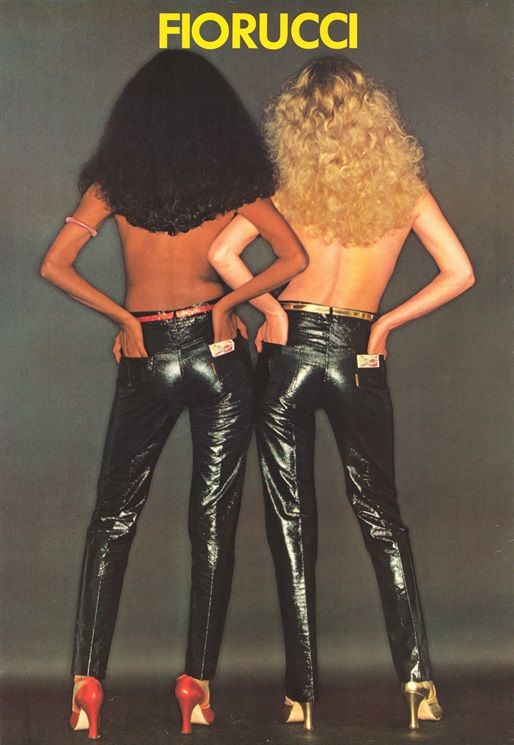
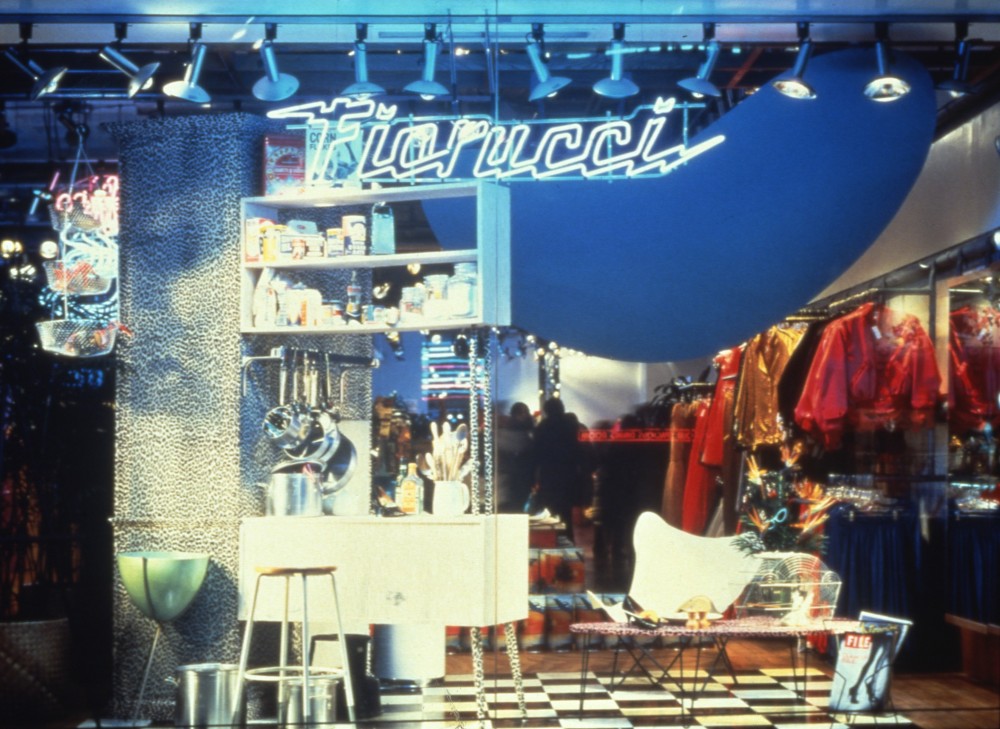
Fiorucci’s place in the history books is sealed in ‘He’s the Greatest Dancer’ by Sister Sledge, produced by Nile Rodgersand Bernard Edwards of Chic. They sing, “Halston, Gucci, Fiorucci” – the lyric sketches New York nightlife with both a dress code and a postcode.
1980s | Pop, Play, and Tuning Into MTV
As disco mutated into post-disco, new wave, and neon pop, Fiorucci shifted seamlessly. The 1980s were louder, shinier, more ironic. Turning on the television for the likes of MTV. Enter hyper-stylized pop rebellion.
A young Madonna was often linked to the downtown Fiorucci universe – epic hair, lace gloves, crucifixes, denim, attitude. The store became a meeting point for artists, DJs, stylists, and club kids building the visual language of the decade.
Synths replaced strings. Drum machines replaced orchestras. But the ethos stayed intact: music as identity construction and fashion as performance.
1990s-2000s | Rave Echoes & Electro Revival
As house, techno, and rave culture took over Europe, Fiorucci’s playful sensuality found new resonance under strobe lights. The angels went clubbing again, this time to harder kicks and acid lines.
The brand’s energy aligned naturally with the electroclash wave of the early 2000s this was ironic, sexy, nostalgic, self-aware. Music and fashion were once again flirting shamelessly and every other brand wanted a piece of what Fiorucci had.
Once again, Fiorucci didn’t need to chase relevance. Its DNA was already built for nightlife reinvention. It continued to unintentionally set music and fashion trends.
Now | Music and Culture At Fiorucci Is Recorded but Re-Spun
Today’s Fiorucci doesn’t chase disco in its original form, it reframes it through multiple genres. Under its current Milan leadership, the brand has shifted from nightclub energy to curated cultural programming. You can notice this in their immersive sound installations during Milan Design Week. The music roots remain but it has morphed into collaborative audio-led experiences, and exhibitions like the recent retrospective at Triennale Milano that wove music into its archival storytelling. The beat still goes on but instead of a disco DJ booth, it lives in atmosphere, installation, and intentional sonic world-building.
In the archive, Fiorucci still lives in the 70s and 80s – not as nostalgia, but as sound signal. Disco could be perceived as a chapter in its history but the truth is that it is still embedded in its DNA, still humming through the walls of the rooms that matter. We’re still transported there, even if we didn’t live during that era, which they shaped with their unforgettable taste of all forms of music and fashion.