
Few pieces of clothing have crossed generations, genres, and cultures quite like the Levi’s 501. From the early days of rock and roll to the grunge explosion of the 1990s, one thing remained consistent: musicians kept coming back to the same pair of jeans.
But why the 501?
To understand that, you have to look beyond fashion and into identity, expression, rebellion, and music itself.
The Origins of the 501: Built for Work, Adopted by Culture
The Levi’s 501 wasn’t designed for stage lights or album covers. It was built for durability, a straight-leg, button-fly jean made for workers. It was purely a functional product designed for end use workwear.
But that in effect became its super power.
Unlike trend-driven fashion, the 501 had no agenda. It was neutral, tough, and accessible, which made it the perfect canvas for self-expression.
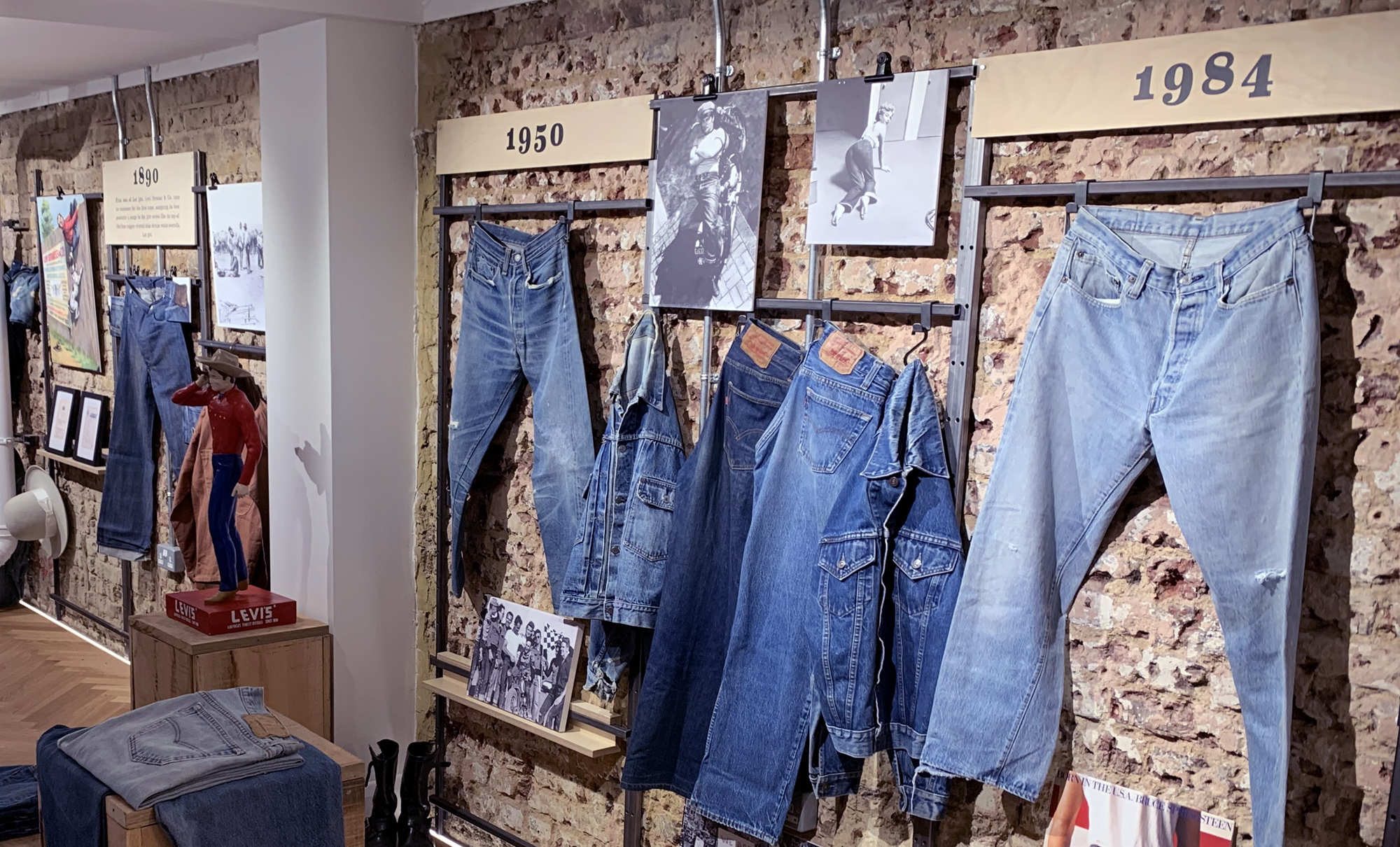
1950s–60s: Rebellion Begins
One hundred year later, the early days of rock and roll, denim became a symbol of rebellion.
Figures like Elvis Presley helped push denim into the mainstream, while cultural icons embraced jeans as a rejection of formal dress codes.
The 501, with its rugged feel and no-nonsense design, became part of that shift.
70s–80s: The Rock Uniform
By the 1970s and 80s, Levi’s 501 had become embedded in rock culture.
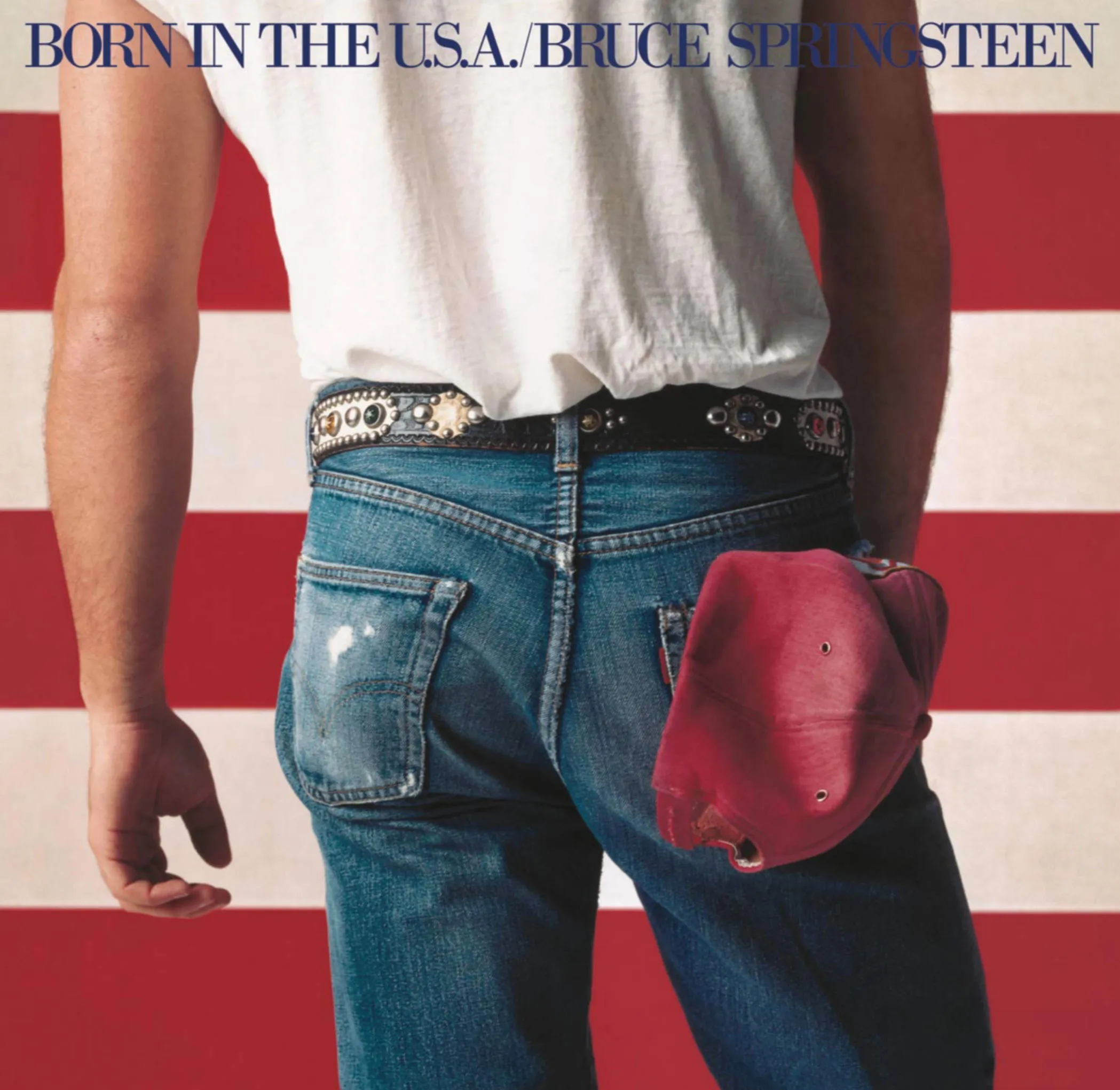
Artists like Bruce Springsteen made denim part of their identity, most famously on the Born in the U.S.A. album cover.
At the same time, punk bands like The Ramones took the 501 and made it their own:
- Slimmed down
- Torn at the knees
- Worn hard and often
The jeans weren’t just clothing, they were pure statement attitude.
90s Grunge: Imperfection Becomes Style
If the 80s were about attitude, the 90s were about rejection.
Kurt Cobain didn’t wear perfect outfits, and that’s exactly why his style mattered.
Loose, worn-out Levi’s 501s became a defining look of grunge:
- Faded denim
- Rips and patches
- Zero concern for trends
What had once been workwear was now anti-fashion.
Why the 501 Worked for Every Era
So why did one specific jean survive decades of changing music scenes?
1. The Fit
Straight-leg, not too tight, not too loose, adaptable across styles.
2. Durability
You could wear them for years, customise them, destroy them, they only got better.
3. Accessibility
They weren’t luxury. Anyone could own a pair.
4. Identity
The 501 didn’t define you, you defined it and worked it into your own wardrobe.
While certain artists helped define the Levi’s 501 look, they were far from the only ones. From rock icons to modern hip-hop artists, Levi’s has been worn across generations.
You can explore more in our guide to famous musicians who wore Levi’s.
Recreate the Look
To this day, most people own a pair, whether it’s cut offs as shorts from a vintage shop or brand new 501s. If you want to capture the same aesthetic that defined generations of musicians:
- Classic straight-leg Levi’s 501 → closest to the original rock look
- Classic straight-leg Levi’s 501 → women’s closest to the original rock look
- Black slim-fit jeans → inspired by punk and underground scenes
- Light-wash distressed denim → grunge-era style
(Choose pieces that feel worn-in and personal, that’s the key.)
From Rockstars to Modern Culture
Even today, the influence of the 501 hasn’t disappeared.
Modern artists still return to vintage denim, often styling it in ways that echo past eras, whether consciously or not. The jean has outlived trends because it was never really part of one.
Final 501 Thoughts
Like many brands synonymous with music, Levi’s 501 didn’t become iconic because of marketing.It became iconic because generations of musicians chose it and reshaped it, over and over again.
And in doing so, they turned a simple pair of jeans into a cultural symbol.
👉 For a broader look at how Levi’s shaped music culture as a whole, read our full breakdown of Levi’s in music history.
