
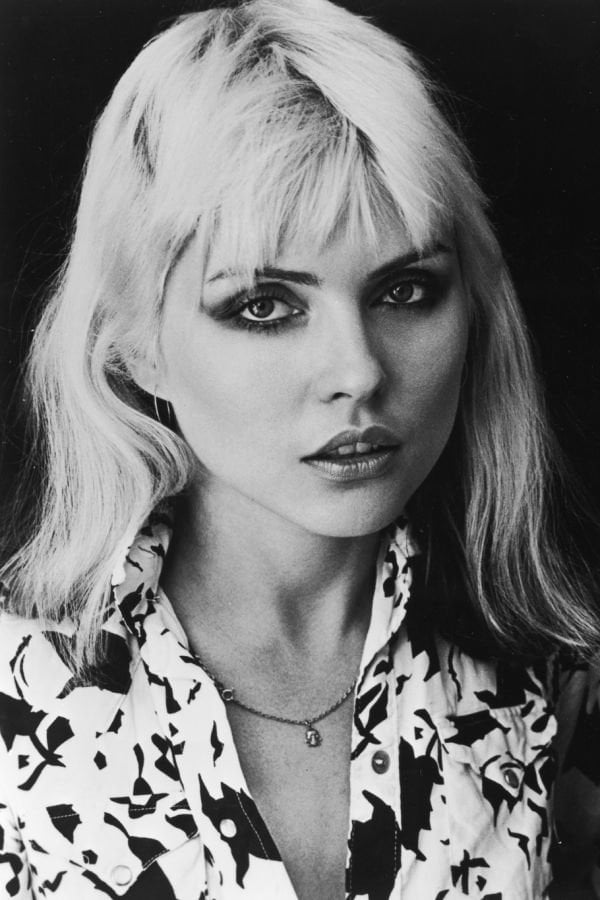
Debbie Harry didn’t just front one of the most influential bands of the late 1970s, she helped shape how an entire era looked.
At a time when fashion and music were beginning to collide, her style stood out not because it followed trends, but because it ignored them entirely.
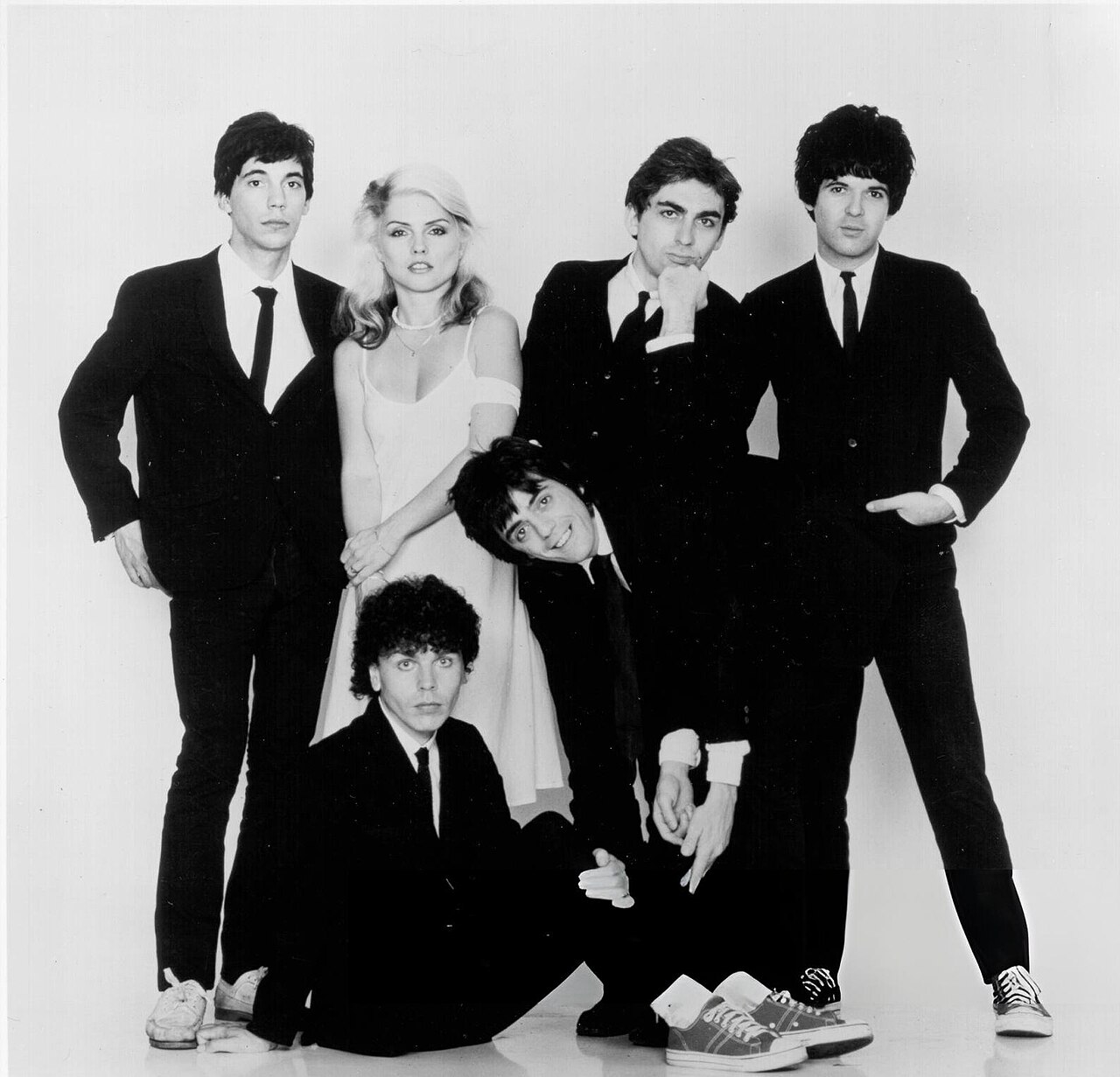
The Punk Era: Style Without Structure
Emerging from New York’s underground scene, Debbie Harry developed a look that felt instinctive rather than constructed.
She blended vintage glamour with the rawness of punk, often combining masculine tailoring with something softer and more expressive. Nothing felt overworked, and that sense of ease became part of her appeal.
Her style didn’t try to make a statement, it simply existed, and that was enough to make it influential.
Denim, Leather, and Everyday Rebellion
Denim played a central role in her wardrobe, grounding even her boldest looks.
Worn-in jeans, simple silhouettes, and effortless layering gave her outfits a sense of realism, often contrasted with sharper elements like leather jackets or striking prints. The balance between casual and statement pieces became a defining feature of her style.
You can explore how denim became central to music culture in our breakdown of Levi’s in music history.
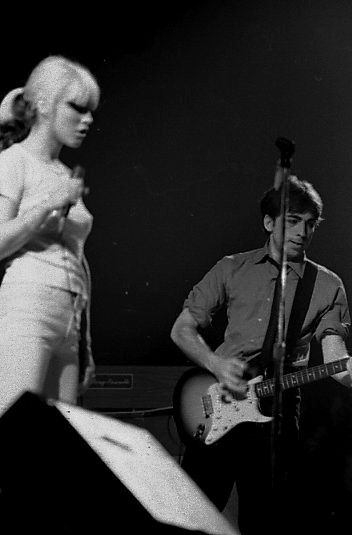
Debbie Harry’s look worked because it felt real.
Not styled for perfection, styled for expression.
Redefining Female Style in Music
At a time when female artists were often pushed into clearly defined aesthetics, Debbie Harry moved freely between contrasts.
She could appear both polished and undone, soft yet confrontational, classic while still feeling unpredictable. That fluidity gave her a presence that stood apart from her contemporaries.
Rather than fitting into an existing image, she reshaped what that image could be.
Influence That Still Shapes Fashion Today
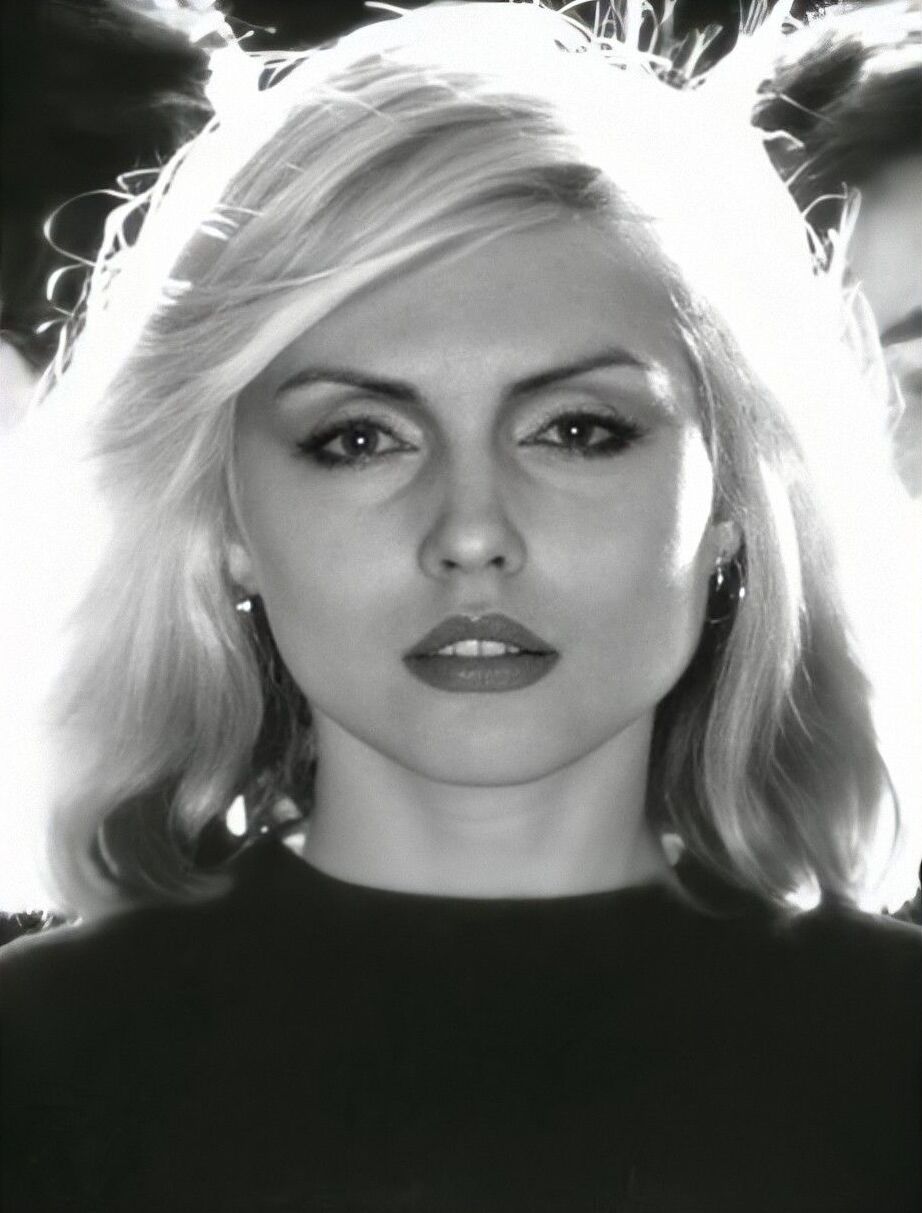
Decades later, her influence remains visible.
Elements of her style – from vintage denim to layered, slightly undone outfits, continue to appear across both streetwear and high fashion. What once felt specific to a moment now feels timeless.
She also sits alongside other artists who shaped music style across generations, something we explore in our guide to famous musicians who wore Levi’s.
Recreate the Look
To capture elements of Debbie Harry’s style, focus on simplicity and contrast. A pair of straight-leg denim jeans creates a strong foundation, while a statement jacket adds edge and structure. Vintage-inspired pieces help bring everything together, especially when they feel slightly worn rather than overly styled.
The key is balance, letting the outfit feel super chilled and natural, rather than forced.
Final Thoughts
Debbie Harry helped redefine the relationship between music and style. Her influence wasn’t built on perfection, but on instinct. And that’s exactly why it continues to resonate today.
Because the most memorable style has never been about fitting in, it’s about knowing when not to.